September 13, 2026 Post by : Editorial Maritime Culture
The Lost Art of the Harbor Shanty: How Work Songs Built the Docks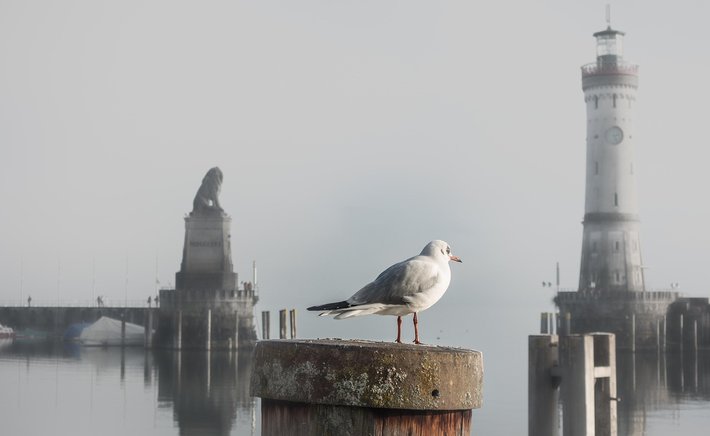
On a foggy morning in an old harbor, the air was full of sound. Bells clanged from buoys. Whistles shrieked from lighthouses. Horns bellowed from ships and piers. To a stranger, it was chaos. To a sailor, it was a conversation.
Fog has always been the mariner's enemy. It hides landmarks, blots out the sun, and turns a familiar channel into a maze. Long before radar and GPS, ports developed systems of sound signals to guide ships through the murk. Each signal had a meaning, and each meaning depended on where you were and what you were doing. A single blast might mean "I am turning to starboard." Two blasts meant "I am turning to port." Three meant "I am operating astern." These rules, still used today in the International Regulations for Preventing Collisions at Sea, grew out of centuries of practice.
Harbor signals were more local. A bell buoy at the entrance to a channel might ring with the swell, its tone and rhythm telling a pilot exactly which buoy it was. Some buoys had whistles that moaned as waves pushed air through them. Others had gongs. A lighthouse might sound a diaphone, a deep brass horn that could be heard for miles. Each station had its own characteristic: a certain number of blasts, a certain interval, a certain pitch. Sailors memorized these patterns the way musicians memorize tunes.
Reading the Air
Sound travels strangely in fog. It can bend, fade, and echo off cliffs or buildings. A horn that seems to come from the left may actually be ahead. Experienced sailors learned to cup their hands to their ears, to listen for the direction of the loudest blast, and to judge distance by the delay between sight and sound — though in fog there was no sight. They also listened for the sounds of other ships: the slap of a bow wave, the clank of an anchor chain, the voices of a crew. In thick fog, a harbor could be navigated by ear alone.
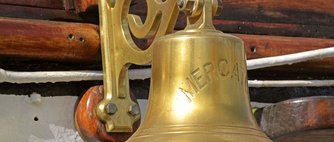
Some ports used bells on shore as well. A bell in a church tower or a signal station might ring at intervals to guide boats home. In fishing villages, a bell on the pier told fishermen when the tide was right or when a boat was expected. These sounds became part of the identity of a place. People who grew up on the waterfront could tell the time of day by the harbor sounds.
The End of an Era
Radio, radar, and GPS have largely silenced the old fog signals. Many bells and whistles have been removed from buoys and lighthouses. The diaphone is a museum piece. But the language of the harbor has not vanished entirely. Ships still sound horns in fog, and sailors still listen. On a quiet night, if you stand near an old pier, you might hear a bell buoy ringing in the swell. It is a small sound, but it carries the memory of a time when the harbor spoke, and everyone listened.

Author

22 feb,2025
This incident opened my eyes to the value of Insurance in general, so I decided to examine my personal and business insurance.





Comment (3)
The payments are made directly from one person to another without passing through a central bank or clearing house.
22 feb,2025
ReplyFog Signals and the Language of the Harbor
23 feb,2025
ReplyThe Chowder Wars: How Harbor Towns Fought Over a Bowl of Soup
23 feb,2025
Reply