September 7, 2026 Post by : Editorial Maritime History
Containerization and the Death of the Old Docks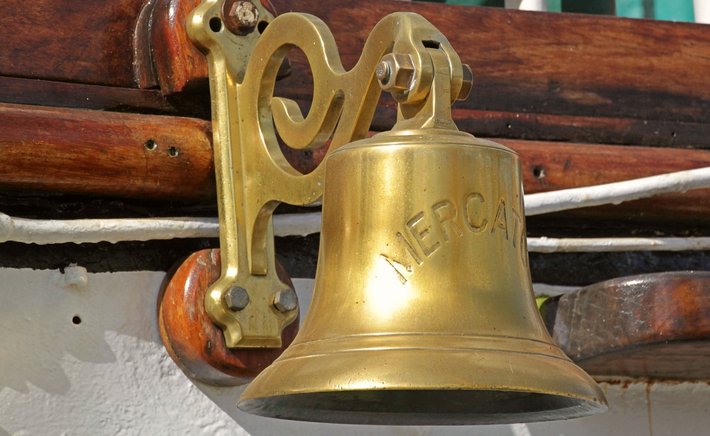
On the deck of an old ship, the bell was more than a piece of brass. It was a voice. It told the crew the time, warned other vessels in fog, and marked the rhythm of the day. When a ship went down or was broken up, the bell was often the one thing saved. Today, ship's bells hang in churches, museums, town halls, and private homes, each one carrying the name of a vessel that no longer exists.
The tradition of the ship's bell goes back centuries. On sailing ships, the bell was struck every half hour to mark the passage of the watch. The day was divided into watches of four hours, and each watch was divided into half-hour segments. The bell was struck once for the first half hour, twice for the second, and so on, up to eight bells at the end of the watch. This system, called "striking the bell," allowed the crew to know the time without a clock. It also gave structure to a life that was otherwise ruled by wind and weather.
The bell was also a safety device. In fog, a ship at anchor was required to ring its bell at intervals to warn approaching vessels. The sound carried through the murk, and sailors listened for it. A bell could mean the difference between a safe passage and a collision.
The Bell as a Memorial
When a ship was lost, the bell was often the only artifact recovered. It might be found floating in the wreckage or salvaged years later by divers. Families of lost sailors treasured these bells as a connection to their loved ones. In some ports, bells were hung in churches and rung on the anniversary of a sinking. In others, they were placed in museums or town squares. Each bell carries a name, a date, and a story.
Some bells have become famous. The bell of the Mary Rose, Henry VIII's warship, was recovered from the seabed and is now on display. The bell of the Titanic remains lost, but replicas and memorials stand in its place. In small fishing villages, a bell from a lost boat may hang in the harbor, rung every year on the day the boat went down. These rituals keep the memory alive.
Why the Bell Endures
The ship's bell endures because it is both practical and symbolic. It is a tool that kept time and saved lives. It is also a symbol of the ship itself — its name, its crew, its voyages. When you hear a ship's bell, you hear the past. You hear the watch being called, the fog closing in, the crew answering. The ship may be gone, but the bell still speaks. That is why we keep it. That is why we listen.


Author

22 feb,2025
This incident opened my eyes to the value of Insurance in general, so I decided to examine my personal and business insurance.





Comment (3)
The payments are made directly from one person to another without passing through a central bank or clearing house.
22 feb,2025
ReplyPilot Boats and the Men Who Board Moving Ships
23 feb,2025
ReplyTattoos, Superstition, and the Sailor's Fear of the Sea
23 feb,2025
Reply