October 1, 2026 Post by : Editorial Lighthouses
Tattoos, Superstition, and the Sailor's Fear of the Sea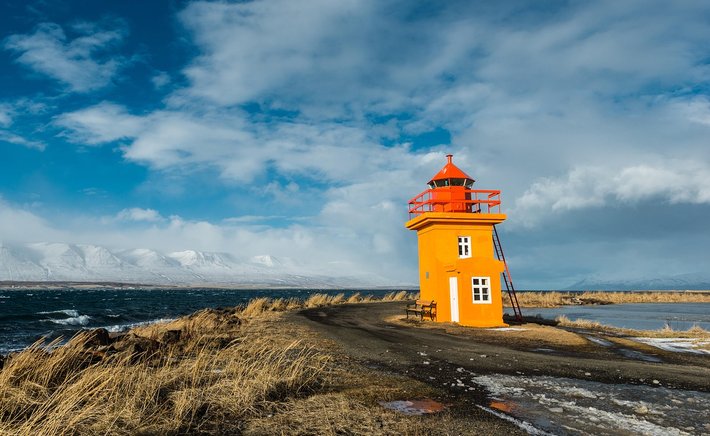
Before radar and satellite navigation, a light on a headland was often the only thing standing between a ship and a rocky death. The job of keeping that light burning fell to lighthouse keepers, men and women who lived on isolated rocks and windswept points, tending lamps, trimming wicks, polishing lenses, and logging the weather every few hours. It was a job that demanded attention more than skill, and attention is exactly what isolation makes hard to sustain.
The daily routine was built around the light. Keepers rose before dusk to clean the lens and fill the reservoir. During the night, someone had to watch the lamp, because a smoking wick or a failing oil supply could mean a darkened light and a wreck. In the morning, the lens was cleaned again, the brass polished, the fuel restocked, the log filled in. Add weather observations, fog signal maintenance, and the endless small repairs that salt air demands, and the work filled the hours. On a tiny rock station, there was nowhere to walk and no one new to talk to.
Life on the Rock
Stations varied enormously. Some lights sat on the mainland within walking distance of a village. Others stood on wave-swept rocks miles offshore, reachable only in calm weather. On those stations, relief crews might come every few weeks or, in bad winters, not for months. Supplies arrived by boat when the sea allowed, which meant that keepers learned to ration and improvise. A storm that lasted a week could leave a family eating salt fish and hard bread and watching the barometer with real anxiety.
Keepers' families often lived with them, which turned an isolated station into a small, self-contained world. Children grew up with the sea as a front yard and the light as a nightlight. Wives frequently did as much work as their husbands, keeping the house, tending the garden, and standing watch when needed. The service's official records often listed only the male keeper, but the labor was shared. Letters and diaries from the period show a mix of pride in the work and a deep, grinding loneliness that visitors rarely saw.
The End of an Era
Automation arrived slowly and then all at once. Electric lamps, then automated timers, then solar panels and remote monitoring made the resident keeper unnecessary on most stations. Through the twentieth century, one light after another was converted to automatic operation, and the keeper's cottage was boarded up or handed to a preservation group. The last resident keepers in many countries left their stations in the 1970s and 1980s, ending a tradition that had lasted for centuries.
What remains is the architecture and the stories. Lighthouse preservation societies now maintain many of the old towers as museums, and visitors climb the same spiral stairs that keepers climbed twice a night for decades. Standing at the top, looking out at a cold gray sea, it is easy to feel the weight of that vigil. The light still turns, but now it turns alone, and the silence where a keeper's footsteps used to be is its own kind of memorial.


Author

22 feb,2025
This incident opened my eyes to the value of Insurance in general, so I decided to examine my personal and business insurance.


Comment (3)
The payments are made directly from one person to another without passing through a central bank or clearing house.
22 feb,2025
ReplyThe Chowder Wars: How Harbor Towns Fought Over a Bowl of Soup
23 feb,2025
ReplyThe Ship's Bell: A Voice That Outlived the Ship
23 feb,2025
Reply