September 10, 2026 Post by : Editorial Food and Daily Life
Lighthouse Keepers: The Loneliest Job on the Coast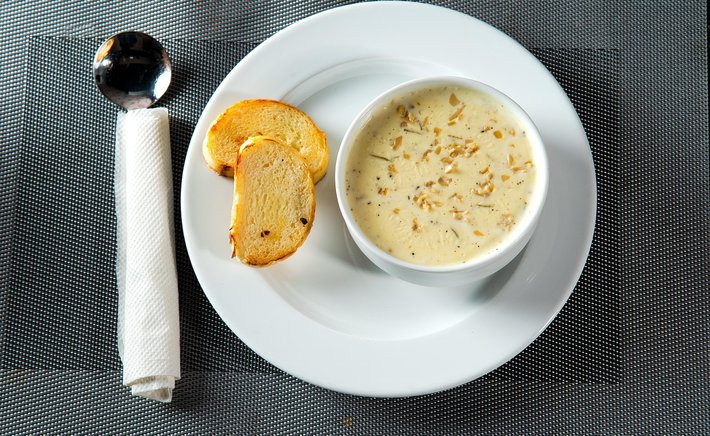
Ask a dozen sailors from a dozen harbors what makes a proper chowder, and you will get a dozen arguments. Tomatoes or no tomatoes? Cream or milk? Bacon or salt pork? Thick or thin? These questions have started friendly feuds and family rifts for generations. On the working waterfront, chowder was not just food. It was identity.
The word itself probably comes from the French chaudière, a large cauldron, brought to the Atlantic coast by Breton and Norman fishermen. The dish they made was simple: fish, potatoes, onions, and some kind of pork fat, simmered together in a pot. It was cheap, filling, and could be made with whatever the day's catch provided. Cod, haddock, hake, clams, even lobster — all went into the pot at one time or another.
In fishing villages, chowder was often a communal meal. A large cauldron hung over a fire on the beach, and everyone contributed what they had. The captain might supply the fish, the crew the potatoes, a local farmer the onions. The result was a thick, hearty soup that fed a crowd. It was eaten with hard bread or ship's biscuit, and it warmed men who had been cold and wet all day.
The Great Tomato Divide
The fiercest chowder dispute is between New England and Manhattan. New England chowder is white: milk or cream, potatoes, salt pork, and fish. Manhattan chowder is red, made with tomatoes. The rivalry is old, and it is not entirely serious — but it is not entirely joking either. In some harbors, a cook who put tomatoes in chowder would be teased for years. In others, a white chowder was considered bland and old-fashioned.
The tomato version likely grew out of the availability of canned tomatoes and the influence of Portuguese and Italian immigrants in New York's ports. It was a city chowder, made in kitchens rather than on beaches. The white version stayed closer to the old fishing-village roots. Both are delicious, and both have their defenders.
Chowder as a Harbor Tradition
Today, chowder is still a staple of harbor towns. Fundraisers, church suppers, and waterfront festivals often feature chowder contests. Fishing families guard their recipes closely. The arguments continue, but they are part of the culture. To argue about chowder is to argue about home.
So the next time you sit down to a bowl of chowder, think about the men and women who made it before you. They worked the water, and they built a meal that could feed a crew. The recipe may vary, but the spirit is the same: warm, filling, and shared. That is the real taste of the harbor.


Author

22 feb,2025
This incident opened my eyes to the value of Insurance in general, so I decided to examine my personal and business insurance.





Comment (3)
The payments are made directly from one person to another without passing through a central bank or clearing house.
22 feb,2025
ReplyThe Ship's Bell: A Voice That Outlived the Ship
23 feb,2025
ReplyThe Lost Art of the Harbor Shanty: How Work Songs Built the Docks
23 feb,2025
Reply